
Urgent care • Financial preparation

Coverage for an emergency veterinary visit

Check the event, the emergency consultation and the treatment services as separate parts of the visit.

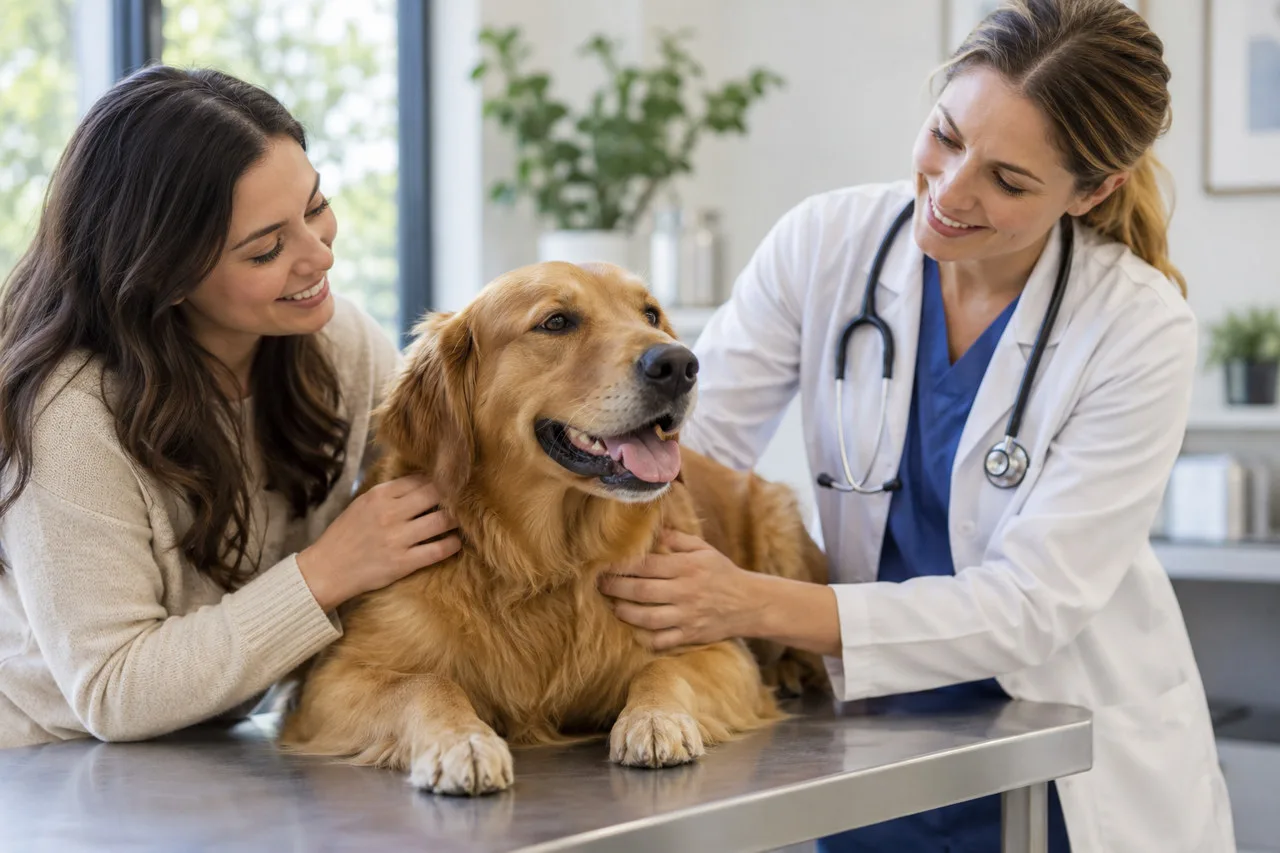
Veterinarian discussing care with an owner beside a dog
✓ Policy-first ✓ Independent ✓ Useful checks
Direct answer
Accident-and-illness pet insurance can help pay for an eligible emergency visit, but the emergency label does not override exclusions. Check whether the cause qualifies and whether emergency exam fees, diagnostics, hospital treatment and discharge medicines are included. A new policy cannot be assumed to fund a problem already underway.
Pet profile

If the pet needs help now

Contact your veterinarian or the emergency hospital promptly. AVMA’s emergency guidance recommends calling so the hospital can prepare, and emphasizes that first aid does not replace veterinary care. This page cannot triage your pet or decide whether it is safe to wait.

If another person can help, have them locate the existing policy and clinic contact details while care is arranged. Do not postpone assessment to complete an insurance application, reach a waiting-period end or search for a cheaper covered diagnosis. The clinician determines treatment; the insurer separately determines financial eligibility.

What to know

Ask about the encounter, not one “emergency” checkbox

Part of the visit What to resolve before relying on reimbursement
Triage and emergency consultation Is the examination charge covered by the selected version or an add-on?
Testing before a diagnosis What records explain why the tests were medically indicated?
Treatment, surgery or intensive monitoring Which services and exclusions apply to the eligible event?
Transfer to another hospital How should the two invoices and clinical handover be submitted?
Discharge medicine and recheck Which benefit covers continuing treatment, and what documentation is required?

Its visit-fee description is separate. Therefore, a statement that an operation is covered does not settle the consultation charge. The offered state form and selections control; this is not confirmation of a particular claim.

FAQ

Ask the hospital and insurer different questions

Ask the hospital for the deposit or payment due, the current estimate and how it will notify you if the treatment plan changes. Ask the insurer what it needs to assess the event, whether any advance review is available and what remains conditional. Keep those answers separate.

An estimate can change as the team learns more. If the insurer comments on an initial estimate, ask whether the answer applies to later services or only the listed work. Do not interpret a general eligibility statement as a blank authorization for every additional expense.

If direct-to-vet payment is important, verify that the particular hospital can use the insurer’s route and how an undecided or partially approved claim is handled. Pets Best’s FAQ, for example, describes an optional payment-to-vet route after claim processing; that is not the same promise as automatic cashless admission.

Quotes

One episode can generate two hospital bills

Imagine a fictional dog assessed at an emergency clinic and then transferred to a specialty hospital. Keep the first examination and tests, transfer summary, receiving-hospital notes and final bills linked to the same episode. This is a recordkeeping example, not a statement that every transfer qualifies.

Ask the insurer whether to submit one episode with several invoices or separate claims. Do not assume a second hospital creates a fresh limit, or that it necessarily creates a second deductible. The contract’s annual, condition or incident structure determines that treatment.

Check for charges carried forward or refunded between estimates and final bills. Submit accurate final expenses, not an estimate plus the final invoice as if they were separate costs. If records are still pending, ask how to preserve the filing deadline while supplementing the file.

What to know

Do not lose the follow-up at discharge

Owner sitting beside a resting tabby cat
Discharge and follow-up belong in the claim trail, too.

Before leaving, request the written care instructions and find out how to obtain the medical record and itemized paid invoice. Keep the medicine receipt and later recheck bills with the episode. Follow veterinary advice independently of whether a reimbursement has arrived.

When the decision arrives, compare each service with the reason given for any reduction. An excluded visit fee, an unfulfilled deductible, missing transfer records and an excluded underlying condition require different follow-up questions. Ask which applies rather than assuming the emergency itself was rejected.

For future planning, keep the hospital contact, transport plan, policy reference and payment reserve together. The useful insurance comparison is the full route through care and payment, including what you still must fund.

Evidence

Sources and policy context

These public references support the consumer or veterinary context. Named insurer details were checked in official product materials; the policy offered for your pet and state determines the actual terms.

Next step

Compare Current Pet Insurance Rates

Check current options for your pet and location, then compare the policy details, exclusions, costs, and eligibility before choosing.

Compare the policy before you choose Check the actual offer, exclusions and out-of-pocket terms.
See Rate Options